Reading getting a little harder? Let’s find what works for you.
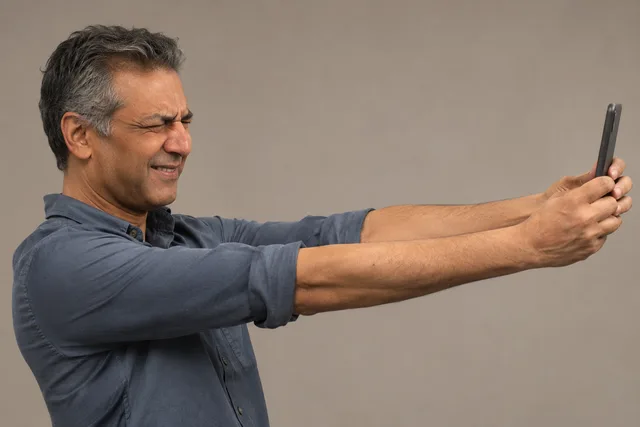
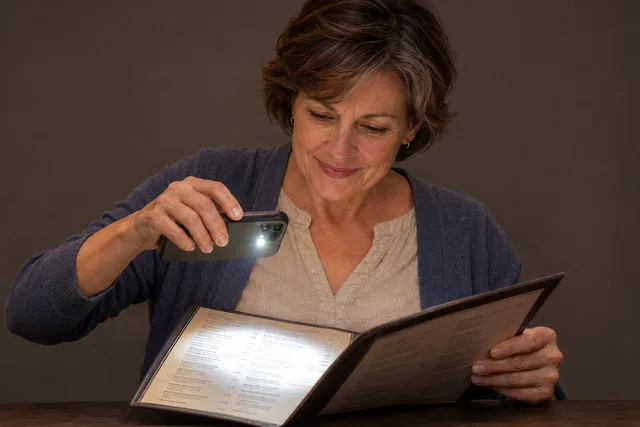
Maybe your phone keeps moving farther from your face. Restaurant menus are easier to read under a brighter light. Or your reading glasses seem to be everywhere except where you need them.
Insurance: in network with VSP, EyeMed, and UFT vision plans. Medical insurance may apply to eye-health concerns. We do not accept Medicaid. See plans and prices
Sound familiar? These can be signs of presbyopia, the gradual change in near focusing that comes with age. It can happen even if you’ve always had great distance vision.
You have options, and you don’t have to figure them out on your own. At Park Slope Eye, we’ll talk about what you’re noticing, check your eye health and help you explore ways to make everyday tasks more comfortable.
I just need longer armsI always have to have readers with meI see fine, I just need more light
AI-generated illustrations; not actual Park Slope Eye patients.
On this page▸
More than one way to see up close
Glasses that fit your day.
Reading glasses, progressive lenses and glasses designed for computer work can help at different distances. The right choice depends on what you do and how you use your eyes.
Contact lenses worth exploring.
Multifocal contacts and monovision may help some people balance near and distance vision. A fitting gives us a chance to assess your vision and comfort.
Curious about prescription eye drops?
You’re not alone. Some drops temporarily improve near vision by making the pupils smaller. They may reduce your need for readers during certain activities, but results vary, you may still need glasses, and drops don’t permanently reverse presbyopia.
We evaluate and prescribe presbyopia drops when appropriate. An examination, including a check of your retina, helps us decide whether they’re a reasonable option for you.
Your routine matters
“I’ve never needed glasses before.”
“I had vision surgery years ago. Why is reading harder now?”
“I spend my day switching between screens, paperwork and everything else.”
Whatever sounds familiar, tell us. Your eye health, vision history and daily activities help guide the conversation.
A quick word about safety
Prescription drops aren’t right for everyone. They can cause headache, irritation, or dim or blurry vision. Don’t drive if your vision isn’t clear, and use caution at night or in poor lighting. Rare retinal tears or detachments have been reported with this class of medication. Sudden flashes, new floaters or vision loss need immediate medical attention.